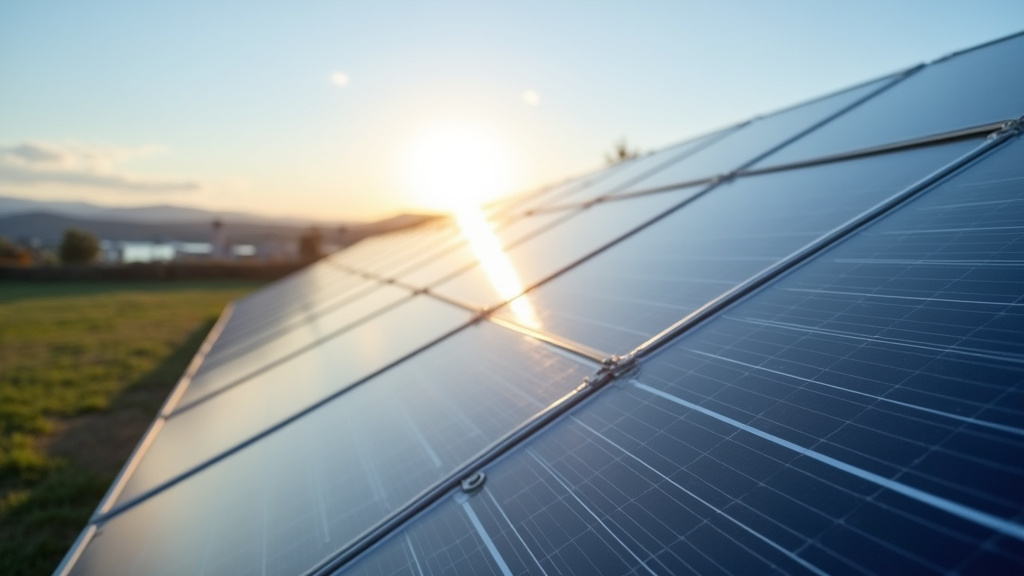
At a glanceTo qualify for Solar Flag Pole Lighting, you need a sunny location with unobstructed sunlight access, a flag pole that can accommodate solar panels, and a reliable solar panel system designed for outdoor use. Ensure the panels are durable and efficient to harness maximum sunlight for energy.
Key Takeaways
- Ensure your location receives ample sunlight throughout the day to maximize energy efficiency.
- Check local regulations and building codes regarding solar panel installation and flagpole lighting.
- Select a high-quality, weatherproof solar light designed specifically for outdoor use to ensure longevity.
- Calculate your energy needs and choose a system with an appropriate wattage and battery capacity.
- Consider the angle and height of your flagpole to optimize sunlight exposure for the solar panels.
- Regularly clean the solar panels to maintain optimal performance, especially in areas prone to dust or debris.
- Explore tax incentives or rebates available in your region to offset initial installation costs.
As the world shifts towards sustainable energy solutions, Solar Flag Pole Lighting emerges as a prominent choice for illuminating outdoor spaces. This technology not only enhances aesthetic appeal but also contributes to energy efficiency. However, understanding the eligibility criteria is essential before adopting this green initiative. The qualification process for Solar Flag Pole Lighting involves assessing factors like sunlight exposure, flag pole height and material, local climate conditions, and energy demands. By comprehending these requirements, property owners and urban planners can ensure optimal utilization of solar power, making a significant step towards a greener future. This article provides an authoritative guide to unlock the potential of Solar Flag Pole Lighting.
Solar Flag Pole Lighting in : Where to Start
Looking for solar flag pole lighting in ? solar flag lighting for government serves the local area and can answer questions specific to .
Understanding Solar Flag Pole Lighting Requirements
Understanding the requirements for qualifying for Solar Flag Pole Lighting is crucial before you embark on installing this sustainable and efficient outdoor lighting solution. While the allure of solar-powered lighting is clear—reducing energy costs and carbon footprint—there are specific factors to consider to ensure compatibility and optimal performance.
Firstly, do you actually need Solar Flag Pole Lighting? It’s worth noting that traditional electric lighting might be sufficient for smaller flags or those in well-lit areas. Solar Flag Pole Lighting becomes essential when your flag pole is in a shaded location, especially during peak sunset hours, as solar panels require sunlight to charge. Additionally, consider the size and height of your flag pole. Larger, taller poles require more powerful lighting to ensure visibility from a distance.
When should you hire Solar Flag Pole Lighting? If your area experiences frequent power outages or you’re looking to enhance outdoor security and aesthetics, solar lighting could be a game-changer. For instance, in remote locations or rural areas where grid electricity is unavailable, solar-powered solutions are both practical and cost-effective. Data suggests that the growing adoption of renewable energy sources, coupled with technological advancements in solar efficiency, makes solar flag lighting a viable option for a broader range of applications.
To qualify for Solar Flag Pole Lighting, you’ll need to assess your local regulations and building codes, ensuring compliance with any lighting ordinances. It’s important to consult with professionals or local authorities to understand the specific requirements in your area. Furthermore, the placement and orientation of your flag pole are critical. Proper positioning allows for optimal sunlight exposure during the day and clear visibility at night. For instance, mounting the lighting system at the top of the pole, where it’s less obstructed, can significantly enhance its efficiency.

| Factor | What to know |
|---|---|
| Sunlight exposure | Location needs unobstructed sunlight throughout the day for optimal charging |
| Flag pole compatibility | Pole must accommodate solar panels; consider height and angle for exposure |
| Local regulations | Check building codes, lighting ordinances, and obtain necessary permits |
| Energy needs assessment | Calculate wattage and battery capacity based on energy requirements |
| Installation timeframe | Installation typically takes 1-3 days depending on complexity and location |
| Panel maintenance | Regularly clean panels to maintain performance, especially where dust is common |
Eligibility Criteria for Solar Lighting Installation
To qualify for Solar Flag Pole Lighting installation, your location and energy needs play a pivotal role. This renewable energy solution is most effective in areas with consistent sunlight exposure throughout the year, making regions closer to the equator ideal. However, even in latitudes farther from the equator, advancements in solar technology mean that Solar Flag Pole Lighting can still be a viable option. The key lies in understanding your local climate and energy consumption patterns.
When considering whether to hire Solar Flag Pole Lighting experts, assess your energy costs and future goals. If you’re looking to reduce your carbon footprint and decrease electricity bills, Solar Flag Pole Lighting could be the answer. These systems harness solar power during the day and convert it into electricity to illuminate flags or other fixtures at night, eliminating the need for traditional grid-tied lighting. The installation process typically takes 1-3 days, depending on the system’s complexity and your location.
To qualify, you’ll need a clear understanding of your energy requirements and available space for panel placement. Rooftops or open areas with direct sunlight access are ideal sites. Additionally, checking local building codes and obtaining any necessary permits is essential. Many solar lighting providers offer site assessments to help determine the best system size and placement angle for optimal sun exposure. By combining these practical insights with expert guidance, you can make informed decisions about when and how to incorporate Solar Flag Pole Lighting into your energy portfolio.
Step-by-Step Guide: Applying for Solar Flag Pole Lighting
To qualify for Solar Flag Pole Lighting, you’ll need to follow a structured approach ensuring your property is an ideal candidate for this renewable energy solution. Here’s a step-by-step guide to help you navigate the application process and avoid common pitfalls. First, assess if you display signs that indicate a need for Solar Flag Pole Lighting; these could include remote locations with limited grid access or areas experiencing frequent power outages.
Your property’s orientation and nearby obstructions are crucial factors. Unobstructed sunlight exposure is essential for optimal energy generation, so ensure your flag pole isn’t shaded by trees, buildings, or other structures throughout the day. The size of your property also matters; larger areas provide more space for installation and may offer better opportunities for cost recovery through reduced energy bills.
Before applying, research local regulations and permits required for solar panel installations. Some regions have specific guidelines for flagpole lighting modifications. Once ready, gather necessary documents, including site plans, utility bills, and any relevant permits. This process ensures a smooth application and increases your chances of a successful installation. By carefully considering these factors and planning accordingly, you can avoid common issues, such as inadequate system sizing or improper installations, and maximize the benefits of Solar Flag Pole Lighting.
Frequently Asked Questions About What do you need to qualify for Solar Flag Pole Lighting?
What is required to install Solar Flag Pole Lighting?
To install Solar Flag Pole Lighting, you’ll need a solar panel, a charge controller, a battery, and a lighting system designed for flag poles. You should also have basic tools for assembly and installation, such as a drill, screwdriver, and measuring tape. The solar panel will capture sunlight and charge the battery, which will then power the lighting system, ensuring your flag remains illuminated at night.
Do I need to be an expert to set up this system?
While some technical knowledge is beneficial, Solar Flag Pole Lighting systems are designed to be user-friendly. Detailed instructions and all necessary components are included, making the installation process accessible for most homeowners or DIY enthusiasts. Online tutorials and support from manufacturers can further assist in the setup.
Can these lights work in any weather conditions?
Solar Flag Pole Lights are designed to withstand various weather conditions, including rain, snow, and extreme temperatures. However, for optimal performance, they should be installed in areas with unobstructed access to sunlight. During periods of heavy cloud cover or bad weather, the lighting may dim, but they will continue to operate as long as there’s enough sunlight to charge the battery.
What is the advantage of solar-powered flag pole lighting?
Solar-powered lighting offers several advantages. It is environmentally friendly as it utilizes renewable energy, reducing your carbon footprint. It’s cost-effective, eliminating the need for electricity bills and reducing maintenance compared to traditional lighting. Additionally, solar lights are versatile, suitable for various flag pole heights and styles, and can be easily moved or relocated.
How do I ensure the lights charge properly?
Proper charging depends on clear, unobstructed sunlight. Place the solar panel in a location where it receives direct sunlight for the majority of the day. Ensure the panel is clean and free from debris to maximize sunlight absorption. During initial setup, monitor the battery’s charge and adjust the panel positioning if needed to achieve optimal charging.
Are these lights suitable for all types of flag poles?
Yes, Solar Flag Pole Lights are designed to be versatile and compatible with most standard flag pole sizes and styles. The mounting hardware included should accommodate various pole diameters. However, always check the product specifications to ensure the lights fit your specific flag pole.
What is the typical lifespan of these solar lights?
With proper care and maintenance, Solar Flag Pole Lights can last for several years. The lifespan of the solar panel, battery, and lighting system components varies, but high-quality materials and construction ensure longevity. Regular cleaning and inspection will contribute to their longevity, ensuring your flag remains illuminated for years to come.
Solar Flag Pole Lighting offers a sustainable and energy-efficient solution for illuminating outdoor spaces, but qualifying for such installations requires understanding specific criteria. Key insights reveal that eligibility is determined by factors such as location, structural compatibility, and energy usage patterns. Property owners should assess their area’s solar potential, ensure their flag pole structure meets technical requirements, and evaluate their energy demands to determine suitability. By following a structured application process outlined in the article, individuals can successfully navigate the installation of Solar Flag Pole Lighting, reaping the benefits of reduced energy costs and a greener environment. This comprehensive guide equips readers with the knowledge to make informed decisions and take practical steps towards adopting renewable energy solutions for their flag pole lighting needs.