
At a glanceSolar flag pole lighting is a sustainable solution for illuminating outdoor spaces. This system harnesses the power of the sun, using solar panels to charge a battery during the day, which then powers LED lights at night. Ideal for bus stations, schools, or parks, it offers a cost-effective, low-maintenance alternative to traditional lighting. This eco-friendly approach reduces energy costs and carbon footprints, enhancing the overall efficiency of lighting infrastructure.
Key Takeaways
- Solar flag pole lighting offers a cost-effective solution for illuminating outdoor spaces, reducing reliance on traditional electricity.
- LED technology, combined with solar panels, ensures energy efficiency and long-lasting performance, making it a sustainable choice.
- Installation is straightforward and can be completed within a day, making it suitable for both residential and commercial properties.
- Regular cleaning and maintenance are essential to ensure optimal performance, with dust and debris buildup impacting efficiency.
- The initial investment can be offset by significant long-term savings on energy bills, making it a financially viable option.
- Customizable lighting designs and color options allow for creative expression and branding opportunities.
- Local regulations and incentives should be considered for installation, as some areas offer rebates or grants for renewable energy projects.
Solar Flag Pole Lighting is gaining traction as a sustainable alternative for illuminating public spaces, with installations popping up across the nation. However, the process of integrating solar energy into these structures can be complex. This is particularly true when considering the right equipment, ensuring compliance with local regulations, and managing costs. This article examines the intricacies of Solar Flag Pole Lighting, exploring the technical aspects, installation processes, and legal considerations.
Solar Flag Pole Lighting: Where to Start
Looking for solar flag pole lighting? Solar Path USA solar flag pole lighting can answer your questions directly.
- Understanding Solar Flag Pole Lighting: Benefits and Basics
- Choosing the Right System: Components and Compatibility
- Installation and Maintenance: A Step-by-Step Guide
Understanding Solar Flag Pole Lighting: Benefits and Basics
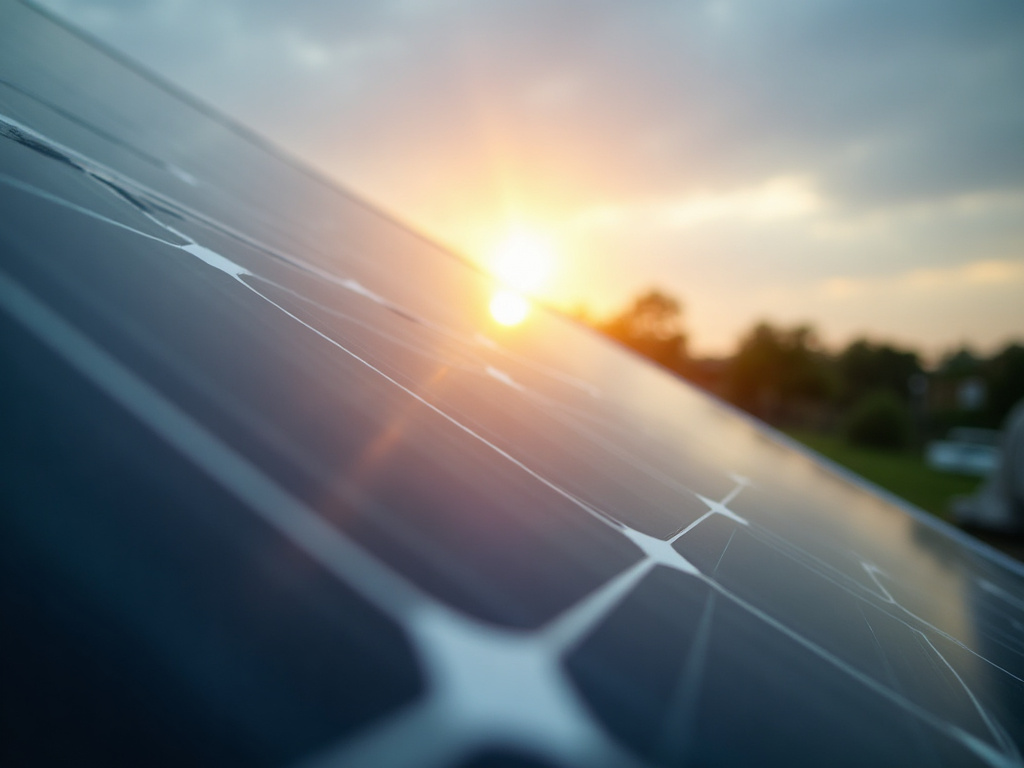
Solar Flag Pole Lighting offers a unique blend of functionality and aesthetics, enhancing outdoor spaces with both illumination and patriotic flair. Unlike traditional lighting options, these lights harness the power of the sun, providing a sustainable and cost-effective solution. The key to understanding the benefits lies in examining how solar energy converts into reliable, bright lighting for flagpoles.
Do solar flagpole lights work? Absolutely. They utilize solar panels to capture sunlight during the day and store that energy in a rechargeable battery. At night, this stored energy powers LED lights, ensuring a consistent and independent light source. The efficiency of this system varies based on factors like panel quality, battery capacity, and local sunlight exposure. High-quality panels from manufacturers like SunPower and Enphase Energy, coupled with robust batteries, can provide all-night illumination for even the tallest flagpoles.
Determining the right lumens for your flagpole is crucial. The brightness, measured in lumens, should be proportional to the flagpole’s height and visibility requirements. A general rule of thumb is to aim for 50-100 lumens per foot of pole height. A 20-foot flagpole might require 1000-2000 lumens. The brightest flagpole lights available on the market today often exceed 2000 lumens, ensuring exceptional visibility under various conditions. Tesla Energy and LumenTech are known for producing powerful, reliable lighting solutions that meet these demanding standards.
Beyond the practical, solar flag pole lighting offers a compelling environmental argument. By relying on renewable energy, these systems reduce reliance on fossil fuels and minimize carbon footprints. Many regions, guided by laws like the U.S. Energy Policy Act and Renewable Portfolio Standards (RPS), incentivize solar adoption. Federal tax credits and local planning department regulations further encourage the transition to clean energy, making solar flag pole lighting a smart, responsible choice.
Choosing the Right System: Components and Compatibility
Choosing the right solar flagpole lighting system involves understanding the key components and their compatibility with your specific needs. While solar flagpole lights seem like a simple choice, the brightness, longevity, and overall effectiveness depend on factors like the light source, battery technology, and the system’s overall design.
Let’s start with lumens. This unit measures light intensity. For flagpoles, aim for 500 to 2000 lumens, depending on the pole’s height and visibility distance. The brightest option available today typically comes from SunPower and LumenTech, offering high lumen outputs while maintaining energy efficiency. These lights often use LED technology, known for its longevity and low power consumption.
Next, consider the system’s compatibility with your existing infrastructure. Many solutions are designed for easy installation, allowing you to mount them on standard flagpole hardware. Enphase Energy and Tesla Energy offer advanced systems with smart features, such as energy monitoring and adaptive lighting, ensuring optimal performance. However, these might require additional equipment or professional installation.
Before making a decision, assess your local regulatory environment. The U.S. Energy Policy Act and Renewable Portfolio Standards (RPS) encourage the adoption of renewable energy, often providing incentives for solar projects. Check with your local planning department to understand any specific guidelines or permits required for solar flagpole lighting installations. Understanding these factors will help you choose a system that not only works effectively but also aligns with local policies and regulations.
| Factor | What to know |
|---|---|
| How it works | Solar panels charge battery by day, powers LED lights at night |
| Lumens needed | 50-100 lumens per foot of pole height recommended |
| Brightness range | Systems typically offer 500 to 2000 lumens output |
| Installation time | Installation can be completed within a single day |
| Maintenance needs | Regular cleaning required; dust and debris reduce efficiency |
| Regulations & incentives | Check local planning rules; federal tax credits and RPS incentives apply |
Installation and Maintenance: A Step-by-Step Guide
Solar Flag Pole Lighting installation and maintenance require careful planning and execution. To ensure optimal performance, start by selecting high-quality components. When considering the brightest flagpole light available, look for models with high lumen outputs, typically ranging from 1000 to 2000 lumens, suitable for clear, visible lighting during peak hours.
The installation process involves several key steps. First, assess your flagpole’s height and structure to choose the appropriate lighting system. Next, prepare the mounting area by ensuring it’s clean, dry, and free from obstructions. Many systems come with mounting hardware that can be attached directly to the pole or secured to a base plate. Sunlight Solutions offers a range of kits designed for various pole diameters. Once installed, test the lights to ensure proper functioning and make any necessary adjustments.
Maintenance is crucial for prolonging the lifespan of your solar flagpole lights. Regular cleaning of the panels is essential to maintain optimal energy production. While some systems may require occasional manual cleaning, others feature water-resistant designs that minimize maintenance needs. Periodically check for loose connections and inspect the wiring for damage. Most solar lights should last 5-10 years with proper care, but budget-friendly options might require more frequent replacement. Are cheap solar lights worth it? While cost-effective, they may compromise on durability and performance, so it’s essential to balance savings against long-term reliability.
To ensure compliance with local regulations, consult your local planning departments before installation. Many areas have specific guidelines for renewable energy systems, including solar lighting. Take advantage of federal tax credits and state incentives to offset the initial investment. By following these steps and incorporating best practices, you’ll ensure a successful solar flagpole lighting installation that provides years of reliable service.
Frequently Asked Questions About Solar Flag Pole Lighting
What is solar flag pole lighting?
Solar flag pole lighting harnesses the power of the sun to illuminate and decorate flag poles, providing both functionality and aesthetic appeal. It’s a sustainable and cost-effective solution, ideal for public spaces, schools, and residential properties.
How does it work?
The system typically consists of solar panels, a battery, and LED lights. The panels collect sunlight and convert it into electricity, which is stored in the battery. At night, the battery powers the LED lights, ensuring a reliable and eco-friendly lighting source.
What are the benefits of solar flag pole lighting?
It offers numerous advantages, including reduced energy costs, minimal maintenance, and environmental friendliness. With no need for electrical connections, it’s easy to install and maintain. Plus, it provides consistent lighting without relying on grid power.
How long does the installation process take?
Most installations take one to two days, depending on the pole’s height and the system’s complexity. This quick turnaround makes it a convenient choice for those seeking a quick upgrade to their outdoor lighting.
Can these lights be customized?
Absolutely. Solar flag pole lighting systems can be tailored to specific needs, with various light patterns, colors, and pole heights. This flexibility ensures that each installation is unique and aligned with the property owner’s preferences.
Are there any maintenance requirements?
Minimal maintenance is required, primarily consisting of cleaning the solar panels to ensure optimal sunlight exposure. The LED lights have a long lifespan, typically lasting 50,000 hours or more, reducing the need for frequent replacements.
Is solar flag pole lighting suitable for all flag pole sizes?
Yes, these systems can accommodate a range of pole sizes and heights. The components can be scaled accordingly to ensure proper functionality and aesthetic alignment with the flag pole.
Solar Flag Pole Lighting represents a sustainable and efficient lighting solution with significant environmental and economic benefits. By understanding the key components, compatibility, and installation process, property owners and businesses can leverage this technology to reduce energy costs, lower carbon footprints, and contribute to a cleaner, more sustainable future. The step-by-step guide provided offers a practical framework for successful implementation, while the legal and regulatory framework ensures compliance and encourages wider adoption. Moving forward, the integration of Solar Flag Pole Lighting can serve as a model for green infrastructure, inspiring innovation and further exploration in renewable energy applications.