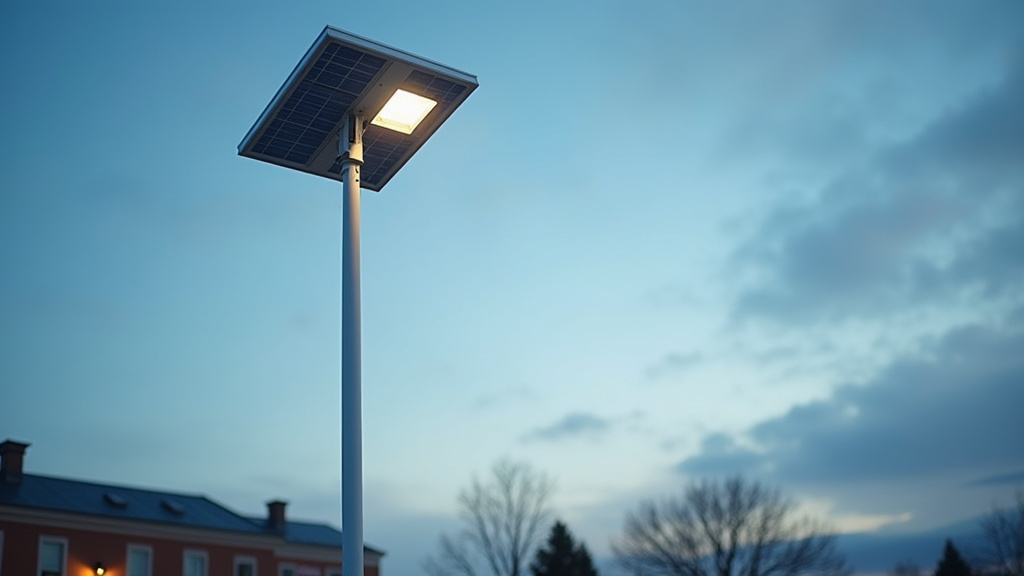
At a glanceSolar flag pole lighting offers a sustainable solution for illuminating outdoor spaces. These energy-efficient systems use the sun’s power, using solar panels to charge batteries that power LED lights. This eco-friendly approach reduces electricity bills and maintenance costs, making it ideal for homes, businesses, and public displays. A typical system can provide up to 12 hours of light on a single charge, ensuring your flag pole shines brightly throughout the night.
Key Takeaways
The lighting offers a self-sufficient, energy-efficient solution for illuminating outdoor spaces, reducing reliance on grid electricity.
The payback period for solar flag pole lights can be as short as 1-3 years, making them a cost-effective choice for both residential and commercial applications.
These lights are designed for durability, with weatherproof construction that can withstand harsh conditions, ensuring a long service life.
Installation is often straightforward and can be accomplished by do-it-yourselfers, saving time and money compared to traditional lighting setups.
Varied models allow for customization based on lighting needs, with options for different light outputs, beam angles, and mounting heights.
The lighting can enhance security and visibility, making them ideal for areas with low natural light or during power outages.
Many systems come with remote controls and smart features, enabling easy adjustments and monitoring from afar, enhancing convenience and safety.
As renewable energy solutions gain prominence, the integration of solar power into everyday infrastructure becomes increasingly vital. The lighting offers a compelling example of this trend, combining environmental benefits with enhanced security and aesthetic appeal. However, the path to widespread adoption is not without challenges. The current market features diverse technologies from leading manufacturers, such as SunPower and Enphase Energy, each promising varying levels of efficiency and performance. This article examines into the technical specifications, installation complexities, and legal considerations surrounding this innovative technology, providing a practical guide for both professionals and DIY enthusiasts.
Solar Flag Pole Lighting: Where to Start
Looking for solar flag pole lighting? solar flag pole lighting at Solar Path USA can answer your questions directly.
- Understanding The lighting: Benefits and Components
- Choosing the Right System: Sizing, Location, and Installation
- Maintenance and Longevity: Optimizing Performance Over Time
Understanding Solar Flag Pole Lighting: Benefits and Components
The integration of solar technology into outdoor lighting, particularly the lighting, offers a compelling blend of energy efficiency and patriotic display. When considering a solar-powered solution for illuminating a flagpole, it’s important to understand both the benefits and the components involved. This technology allows for a self-sustaining lighting system, free from the need for grid electricity, making it an attractive option for property owners who want to illuminate their flags with environmental consciousness.
The benefits are numerous. Solar flag pole lights are highly versatile, suitable for a variety of flagpole sizes and installations. They are designed to withstand the elements, ensuring a long lifespan even in challenging weather conditions. The energy efficiency is a significant draw; by useing the power of the sun, these lights can provide a consistent and reliable light source, often with adjustable brightness settings. This adaptability is particularly valuable for special occasions when a stronger light may be desired. During national holidays, a well-lit flagpole can serve as a community focal point, enhancing the festive atmosphere.
Choosing the right system involves considering the should the American flag be on the left or right of the house? orientation and the specific requirements of the flagpole. The best solar lights for the top of a flagpole are those with a solid design that can handle the weight and wind load, while also offering clear line-of-sight to the sun. Lumens, the unit of luminous flux, are key; 1000 lumens will illuminate a flagpole area roughly 1-3 times its base diameter, depending on local ambient light conditions. A 10-foot flagpole with a 2-foot base diameter could be fully lit by 1000 lumens, making it visible from a considerable distance. Companies like SunPower, Enphase Energy, Tesla Energy, and LumenTech offer advanced solar solutions tailored for these applications, with some even featuring smart controls for precise lighting management.
Before installation, it’s important to consult local regulations and planning departments, as many regions have Renewable Portfolio Standards (RPS) and Federal Tax Credits in place to encourage renewable energy adoption. These incentives can significantly reduce the upfront costs of the lighting systems. DIY enthusiasts can find success with carefully planned installations, but for complex setups, enlisting the help of professional Eco-Friendly Installers is recommended. They can ensure the system is aligned with local codes and optimized for maximum energy production and lighting effect.
Choosing the Right System: Sizing, Location, and Installation
Choosing the right the lighting system involves careful consideration of several factors. First, sizing is important. The brightness of these lights is measured in lumens; the higher the lumen output, the brighter the light. What is the brightest flagpole light available? Top-tier models can produce 2000 lumens or more, ensuring your flag is visible from a considerable distance. The SunPower E-Series LED lights are renowned for their exceptional brightness, starting at 1500 lumens.
Location plays a significant role, too. Consider the area you wish to illuminate and the surrounding environment. How much area will 1000 lumens light up? This depends on the light’s angle and the ambient conditions, but generally, 1000 lumens can effectively light up a 50-foot-wide flagpole area. For larger flags or areas with significant shadows, you may need higher lumen outputs. Local topography and foliage can also affect light dispersion, so assessing these factors is essential.
Installation is another critical aspect. Many systems are designed for DIY installation, with components like those from LumenTech offering plug-and-play convenience. For complex setups or commercial applications, however, professional installation from eco-friendly installers or Sunlight Solutions is recommended. Local hardware stores often carry a range of solar flag pole lights, providing options for every need and budget. When deciding, consider the number of lumens needed to light your specific flagpole. While 1000 lumens is a good starting point for most, flags in high-wind areas or those with vibrant, highly reflective designs may require 1500-2000 lumens for best visibility.
Regulatory compliance is also essential. In the U.S., the Renewable Portfolio Standards (RPS) and the U.S. Energy Policy Act encourage the adoption of renewable energy sources, including the lighting. Federal tax credits and local incentives can also make these systems more cost-effective. Always consult with local planning departments to ensure your installation complies with zoning laws and building codes. By carefully considering these factors, you can select and install the lighting system that maximizes energy efficiency and visibility for your flag.
Maintenance and Longevity: Optimizing Performance Over Time
Maintaining the lighting is important for ensuring best performance over the long term. Regular cleaning of the solar panels is essential to remove dust and debris, as even a small amount can significantly reduce energy production. A good rule of thumb is to clean the panels every few months, or more frequently in areas with high pollen counts or significant bird activity. Using a soft brush or cloth and mild soap diluted in water is usually sufficient.
Another key aspect is to monitor the system for any signs of wear or damage. Enphase Energy, for instance, provides detailed diagnostics that can alert you to potential issues. Regular checks on the wiring and connections are also vital, as loose or corroded connections can lead to power loss and reduced efficiency. A well-maintained system will not only extend the life of your flag pole lighting but also ensure it operates at peak efficiency.
For the orientation of the American flag relative to the lighting system, it’s generally recommended to place the flag on the left side of the house when facing the street. This positioning allows sunlight to strike the panels directly and maximizes energy production. However, local conditions may dictate a different approach. In regions with high winds or specific weather patterns, adjusting the orientation might be necessary to protect the system.
Lumen output is a critical factor in lighting a flagpole. A standard 100-watt incandescent light bulb, for instance, emits approximately 1600 lumens. To determine the required lumen output for your flagpole, consider the visibility distance and the time of day. For a well-lit flag, aim for 1000 to 2000 lumens, which can cover a distance of 1-3 times the pole’s height, depending on local lighting regulations. A solar-powered solution with a suitable lumen output, like those offered by SunPower or LumenTech, can provide a cost-effective and environmentally friendly alternative to traditional lighting.
By following these maintenance practices and considering the best lumen requirements, you can ensure your the lighting remains a reliable and efficient feature of your outdoor space for years to come, enhancing both aesthetics and energy independence.
Frequently Asked Questions About Solar Flag Pole Lighting
What is the lighting and how does it work?
The lighting usees the power of the sun through photovoltaic panels, stored in a rechargeable battery. During the day, the panels convert sunlight into electricity, charging the battery. At night, the stored energy powers LED lights, illuminating the flag pole. This sustainable system requires no external power source, reducing installation costs and environmental impact.
How long does a solar flag pole light last?
Modern solar flag pole lights are designed for durability and longevity. Expect a high-quality unit to last 5-7 years with regular use, depending on the brand, panel quality, and battery capacity. Some models come with replaceable batteries, extending their lifespan.
Are solar flag pole lights suitable for all weather conditions?
While solar flag pole lights are generally weatherproof, their performance in extreme conditions varies. Look for models rated for outdoor use, specifically designed to withstand rain, snow, and high winds. Always check the product specifications for IP ratings or similar weather resistance indicators.
How do I install a solar flag pole light?
Installation typically involves mounting the light on the flag pole, attaching the solar panels, and ensuring proper wiring. Most kits include detailed instructions and all necessary hardware. For complex setups, consider hiring a professional electrician or handyman for safety and best performance.
What size solar flag pole light do I need?
The size of the light depends on several factors: flag size, pole height, and desired light coverage. Check the manufacturer’s guidelines for specific recommendations. A larger light may be needed for taller poles or wider flags to ensure adequate illumination.
Are solar flag pole lights more expensive than traditional options?
Upfront costs for solar flag pole lights might be slightly higher than traditional electric lights. However, their long-term savings, reduced maintenance, and environmental benefits often make them a more cost-effective solution in the long run. Factor in government incentives for solar energy, and the financial benefits become even more apparent.
Can I connect multiple solar flag pole lights in a sequence?
Yes, some solar flag pole light systems allow for daisy-chaining or series connection, enabling you to power multiple lights from a single battery. Check the system’s compatibility and instructions for proper wiring and performance.
The lighting isn’t just about illuminating a flag; it’s a sophisticated integration of renewable energy and civic display. By understanding the benefits, from reduced energy costs to minimal environmental impact, and selecting the right system based on size, location, and installation, property owners and managers can achieve significant savings and sustainability. Regular maintenance, guided by industry best practices and the latest technologies from companies like SunPower, Enphase Energy, and Tesla Energy, ensures best performance for years to come. Leveraging local resources, whether from specialized installers like Sunlight Solutions or DIY networks, and staying informed about legal and regulatory frameworks, such as the U.S. Energy Policy Act and Federal Tax Credits, are key practical steps to fully capitalize on the advantages of The lighting.