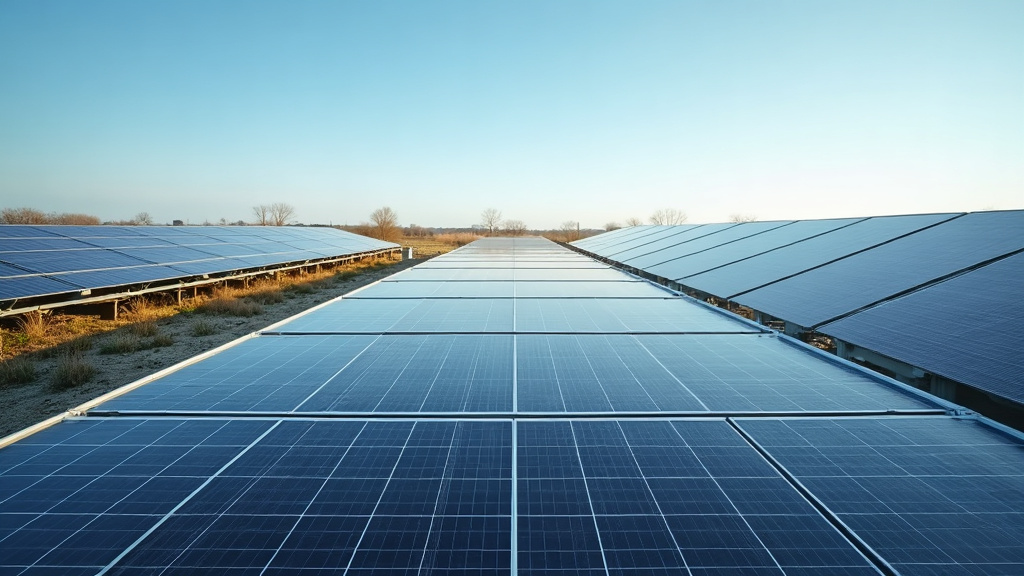
At a glanceSolar flag pole lighting is a clean, energy-efficient solution that illuminates your flag for night-time visibility. It’s a DIY-friendly project typically involving a solar panel, light fixture, and pole mounting hardware. Most installations take one to two days and require basic tools. Ensure optimal sunlight exposure for the solar panel to charge the light’s battery during the day for reliable illumination at night.
Key Takeaways
- Solar flag pole lighting offers a cost-effective solution for illuminating public spaces, with installations often taking one to two days.
- This technology is especially useful for highlighting landmarks, directing traffic, and enhancing security in municipal areas.
- The energy efficiency of solar flag pole lights makes them an environmentally friendly option, reducing reliance on grid electricity.
- Regular maintenance, including cleaning the solar panels and checking the battery, ensures optimal performance and longevity of the system.
- Many modern solar flag pole lights come with adjustable brightness levels and remote control capabilities for easy management.
- Integrating smart features, such as motion sensors and connected apps, can further enhance the functionality and accessibility of these lighting systems.
- Local governments can leverage solar flag pole lighting to promote sustainable practices while improving the overall aesthetic and safety of their communities.
Solar Flag Pole Lighting is transforming outdoor spaces, offering a sustainable and cost-effective solution for illuminating public areas, parks, and government buildings. As the world shifts towards cleaner energy sources, this technology provides a straightforward way to reduce carbon footprints and lower energy costs. However, implementing solar-powered lighting for flag poles presents unique challenges. This article examines the technical aspects, from the latest manufacturers like SunPower and Enphase Energy, to the legal considerations mandated by the U.S. Energy Policy Act and local Renewable Portfolio Standards. We’ll explore installation methods, integrating with existing infrastructure, and the benefits of DIY networks for quick and efficient implementations.
Solar Flag Pole Lighting: Where to Start
Looking for solar flag pole lighting? Solar Path USA solar flag pole lighting can answer your questions directly.
- Understanding Solar Flag Pole Lighting Systems
- Installation: Step-by-Step Guide and Best Practices
- Benefits and Maintenance for Optimal Performance
Understanding Solar Flag Pole Lighting Systems

Solar flag pole lighting systems are an efficient and sustainable way to illuminate outdoor spaces, with applications ranging from municipal landmarks to residential properties. Understanding these systems involves grasping their technical aspects, installation processes, and the legal framework that governs them. Let’s examine these key components to ensure you’re well-equipped to make informed decisions.
When considering solar flag pole lighting, one critical question is "How many lumens do I need? " This depends on several factors, including the size and visibility of the flag, the time of day, and local weather patterns. A standard American flag might require around 1000-2000 lumens to be clearly visible during twilight hours.
The placement of the flag relative to the lighting is another practical consideration. Traditionally, the American flag is displayed on the right side of the house when facing the street, with the hoist (top edge) aligned to the house wall. This positioning ensures the flag is illuminated from the front, showcasing its stars and stripes to the maximum effect. However, the ultimate decision depends on the specific design and layout of your property.
Among the various solar flag pole lighting options available, Tesla Energy’s products stand out for their high lumen output and advanced technology. They offer bright, energy-efficient solutions that can illuminate even large flags with ease. Their flagship model boasts a lumen range of 3000-5000 lumens, making it a top choice for visible, long-lasting flag illumination.
Beyond the technical and practical aspects, understanding the legal landscape is crucial. In the U.S., the U.S. Energy Policy Act and Renewable Portfolio Standards (RPS) encourage the adoption of solar energy. Federal tax credits and local incentives further bolster the financial viability of solar flag pole lighting. Before installing, consult with local planning departments to ensure compliance with zoning laws and building codes.
For DIY enthusiasts, installation can be a feasible task, especially with the support of online resources from platforms like DIY Networks.
Installation: Step-by-Step Guide and Best Practices

Installing solar flag pole lighting is a straightforward process that can significantly enhance outdoor visibility and security. The first step is selecting the right equipment. These manufacturers offer high-efficiency panels and advanced lighting systems designed for optimal performance. Sunlight Solutions, a reputable installer, often recommends LumenTech's solar-powered LED lights for their brightness and durability.
Next, assess the flagpole’s height and the area to be illuminated. This will help determine the number of lumens required. As a general guideline, most flagpoles between 20 to 30 feet tall will need around 1,000 to 2,000 lumens of lighting. Brighter lights, such as those from Tesla Energy, can provide up to 3,000 lumens, ideal for large flags or high-visibility locations. Ensure the installer, whether from a specialized company like Eco-Friendly Installers or a local hardware store’s DIY network, calculates the exact lumens needed based on the pole’s specifics.
The installation process typically involves mounting the solar panels on the flagpole’s top section, ensuring they face the sun for optimal energy absorption. These panels are connected to an energy storage system, usually a high-capacity battery, which stores excess energy for use during cloudy days or at night. Local planning departments often require permits for such installations, in line with the U.S. Energy Policy Act and Renewable Portfolio Standards (RPS). Always check with your local government for specific regulations. Once installed, regular maintenance, like cleaning the panels, ensures the system operates at peak efficiency.
| Factor | What to know |
|---|---|
| Installation time | Most installations take one to two days |
| Panel sunlight exposure | Panel needs optimal sunlight to charge the light's battery |
| Lumen requirement | Standard American flag may need around 1000-2000 lumens |
| Flag placement | Traditionally displayed on the right side of the house when facing the street |
| Permits and regulations | Local planning departments often require permits; check zoning and codes |
| Routine maintenance | Cleaning panels and checking the battery keeps performance and longevity |
Benefits and Maintenance for Optimal Performance

Solar Flag Pole Lighting, when executed correctly, offers a host of benefits that go beyond simple illumination. To achieve optimal performance, understanding the right balance of technical specifications, installation, and maintenance is key.
When selecting the best solar light for the top of a flagpole, consider output in lumens. A common choice, 1000 lumens, can provide a bright, visible flagpole lighting solution, illuminating areas from 1-3 times its immediate surroundings, depending on the environment. Products from reputable manufacturers like SunPower, Enphase Energy, Tesla Energy, and LumenTech offer advanced features such as high-efficiency solar panels and sophisticated lighting control systems. These innovations ensure your flagpole is well-lit, even during less-than-ideal weather conditions.
Proper installation is another critical aspect. Local hardware stores and DIY networks also offer resources and support, catering to various installation needs and skill levels. A crucial step is ensuring the lighting system is connected to your local grid or backup power source for continuous operation, even during power outages.
Regular maintenance is the final piece of the puzzle. A simple cleaning routine to remove dust and debris from the solar panels can significantly enhance light output. Checking the system’s wiring and connections for any signs of damage or corrosion is essential. Many manufacturers offer detailed care instructions and warranty coverage, providing peace of mind and extending the lifespan of your solar flag pole lighting system. By adhering to these practices, you’ll ensure your flagpole lighting not only looks its best but operates efficiently for years to come.
Frequently Asked Questions About Solar Flag Pole Lighting
What is solar flag pole lighting?
Solar flag pole lighting is a system that uses solar panels and LEDs to power a flag pole’s lighting. It’s a self-contained, renewable energy solution that requires no external power source, making it ideal for outdoor areas like public parks, sports fields, and historic sites.
How does it work?
Solar panels on the flag pole’s structure capture sunlight during the day, storing energy in a battery. At night, the stored energy powers LED lights, illuminating the flag and pole for visibility and security.
What are the benefits of solar flag pole lighting?
Solar lighting reduces energy costs since it’s powered by the sun. It’s also eco-friendly, with no greenhouse gas emissions. Unlike grid-tied lights, it offers independence from power outages. It’s low-maintenance, requiring only occasional cleaning.
Is solar flag pole lighting suitable for all flag poles?
While most flag poles can accommodate solar lighting, it’s crucial to consider their size, surface, and weight-bearing capacity. For best results, choose a pole designed for solar installations or consult with a professional to ensure compatibility.
How long does it take to install solar flag pole lighting?
Most installations take one to two days, including pole preparation, panel placement, wiring, and testing. This timeline can vary based on the specific setup and site requirements.
How long do the lights last?
LED lights used in solar flag pole systems are designed for longevity, typically lasting 50,000 hours or more. Solar panels and batteries also have a long lifespan, often 25 years or more, with minimal degradation.
Can solar flag pole lighting be customized?
Absolutely. You can customize the lighting setup based on your needs, including the number of lights, their placement, and the type of LED bulbs. Some systems even offer different lighting modes for various events or displays.
What maintenance does solar flag pole lighting require?
Regular cleaning to keep panels free of debris is essential. Other than that, these systems require minimal maintenance. Periodically checking the battery and wiring for any signs of damage or wear is recommended but not necessary for daily operation.
Solar Flag Pole Lighting offers a sustainable and efficient solution for municipal lighting, with proven benefits and a straightforward installation process. By leveraging reputable manufacturers like SunPower, Enphase Energy, Tesla Energy, and LumenTech, communities can now illuminate public spaces with renewable energy. The step-by-step guide outlined in this article ensures a smooth installation process, accessible to both professional installers and DIY enthusiasts. Regular maintenance, as discussed, is crucial for optimal performance, extending the life of these systems and maximizing their return on investment. Moving forward, municipal entities can harness the power of solar energy by adhering to the legal and regulatory frameworks, such as the U.S. Energy Policy Act and Renewable Portfolio Standards, while taking advantage of federal tax credits and local planning department support. This comprehensive approach to Solar Flag Pole Lighting is a key step towards a greener future.