Key Takeaways
- Ensure your location receives ample sunlight throughout the day to maximize energy efficiency.
- Choose flag pole lighting designed for outdoor use and built to withstand various weather conditions.
- Evaluate your budget before selecting a solar option, as pricing can vary significantly among models.
- Consider the battery capacity and charging time to guarantee consistent illumination during longer periods without direct sunlight.
- Select lighting fixtures with adjustable brightness settings to conserve energy when light isn’t needed.
- Regularly clean the panels to maintain optimal performance and extend the lifespan of your solar flag pole lighting (get the details).
At a glanceTo qualify for Solar Flag Pole Lighting, you’ll need a sunny location, a flag pole, and solar-powered lights. Ensure your pole gets at least 6 hours of direct sunlight daily and choose lights suitable for your pole’s height and weight. A clear, unobstructed view of the sky is also essential for optimal solar charging.
As the world shifts towards sustainable energy solutions, Solar Flag Pole Lighting emerges as a prominent and aesthetically pleasing option for illuminating outdoor spaces. Whether adorning public parks, historic landmarks, or private residences, the demand for this technology is growing. However, understanding the criteria for qualifying and installing such systems can be intricate. This article serves as a comprehensive guide, delving into the essential factors and considerations for successfully implementing Solar Flag Pole Lighting, ensuring a seamless and effective transition to clean energy sources.
Solar Flag Pole Lighting in : Where to Start
Looking for solar flag pole lighting in ? Solar Path USA serves the local area and can answer questions specific to .

Understanding Solar Flag Pole Lighting Requirements
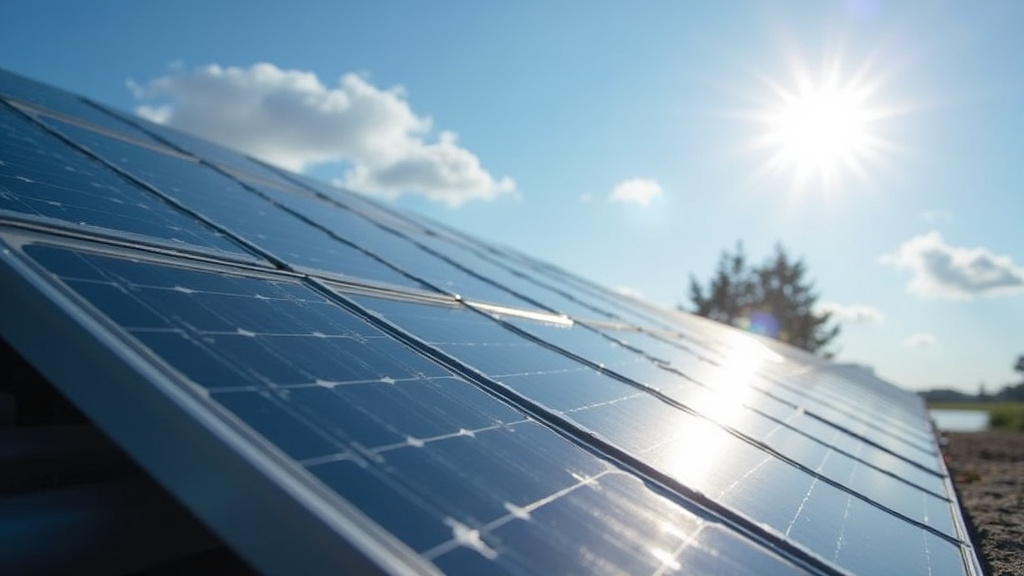
Solar Flag Pole Lighting offers a sustainable and aesthetically pleasing solution for illuminating outdoor spaces, but understanding the qualifying requirements is essential to ensure optimal performance and avoid common pitfalls. Firstly, let’s address the basic need for sun exposure. Solar Flag Pole Lights are designed to harness solar energy, so they must be strategically placed where they receive direct sunlight for most of the day. This typically means choosing a location free from obstructions like trees or buildings that could cast shade during significant portions of the year.
When selecting a Solar Flag Pole Light, consider factors such as light output, battery capacity, and weather resistance to ensure longevity and effective illumination. The right choice will depend on the size and visibility of your flag pole, as well as the desired lighting effect. For instance, brighter lights may be necessary for larger flags or those displayed at night. It’s also crucial to check local regulations regarding outdoor lighting to ensure compliance with neighborhood associations or zoning laws.
One of the key advantages of Solar Flag Pole Lighting is its self-sustaining nature. However, improper maintenance can lead to problems. Regular cleaning of the solar panels and replacement of batteries as recommended by the manufacturer are essential to keep these systems operating at peak efficiency. By understanding and adhering to these requirements, you’ll not only ensure the successful integration of Solar Flag Pole Lighting but also avoid common issues that can arise from inadequate installation or maintenance.
Eligibility Criteria for Installation
To qualify for Solar Flag Pole Lighting installation, there are several key criteria to consider. Firstly, ensure your flag pole is structurally sound and suitable for solar panel attachment. This includes checking the pole’s material, diameter, and weight capacity to support the additional weight of the solar panels. Secondly, assess your location’s sunlight exposure. Solar Flag Pole Lights rely on direct sunlight to power their energy-efficient LED bulbs, so a site with minimal obstructions like trees or buildings is ideal. According to industry data, optimal sun exposure enhances energy production by up to 25%.
The eligibility also extends to considering your energy needs and local regulations. Check if your area allows for solar panel installations on flag poles, as certain regions have specific building codes or restrictions. Additionally, evaluate your budget and the potential long-term savings from Solar Flag Pole Lighting. While the initial investment might be higher than traditional lighting options, the eco-friendly solution can significantly reduce energy costs over time, making it a smart choice for both residential and commercial properties.
Before hiring an installer, ask crucial questions to ensure compatibility and quality. Inquire about their experience with Solar Flag Pole Lighting installations, warranty periods, and aftercare services. Reliable professionals will be able to provide case studies or references demonstrating their expertise. Signs you need this lighting include increased energy costs, a desire for environmentally friendly solutions, or the need for well-lit flag displays during events. Expect a seamless process from initial consultation to final installation, with ongoing support to ensure your Solar Flag Pole Lights remain efficient and effective.
| Factor | What to know |
|---|---|
| Sunlight exposure | Needs at least 6 hours of direct sunlight daily |
| Unobstructed sky view | Clear view of sky required for optimal solar charging |
| Pole structural suitability | Material, diameter, and weight capacity must support panels |
| Battery capacity | Adequate capacity needed for consistent night illumination |
| Panel quality | High-efficiency panels can boost energy production up to 25% |
| Regular maintenance | Clean panels and replace batteries per manufacturer guidance |
Key Factors in System Performance and Durability
To qualify for optimal performance and durability from Solar Flag Pole Lighting systems, several key factors must be considered. First and foremost, the quality of the solar panels is paramount. Look for high-efficiency panels with a proven track record in similar applications. Premium panels often boast higher wattage outputs and better temperature resistance, ensuring robust power generation even under challenging conditions. Additionally, durable materials are essential for the flag pole and mounting hardware. Stainless steel or aluminum alloys offer longevity against corrosion and extreme weather, outperforming inferior alternatives.
The Solar Flag Pole Lighting process involves careful integration of these components. A comprehensive system includes well-designed circuitry that optimizes energy capture and distribution, ensuring every light element receives adequate power. This is crucial for what to expect from Solar Flag Pole Lighting—a vibrant, consistent display throughout the night. Moreover, a robust lighting setup utilizes LED technology known for its energy efficiency and long lifespan, reducing maintenance needs and enhancing overall system durability.
Yet, common pitfalls should be avoided. Inadequate ground mounting can compromise stability, leading to potential damage during strong winds or storms. Similarly, improper wiring or subpar connectors increase the risk of electrical failures. It’s essential to follow best practices for installation, including using weatherproof connectors and ensuring proper grounding. Regular maintenance, such as cleaning solar panels and inspecting connections, is also vital to prevent system degradation over time. By addressing these factors, you can ensure your Solar Flag Pole Lighting not only performs as expected but also endures for years, providing a stunning and sustainable illumination solution.
Frequently Asked Questions About What do you need to qualify for Solar Flag Pole Lighting?
What are the basic requirements for installing solar flag pole lighting?
To qualify, your flag pole must be in a location that receives ample sunlight throughout the day and have a suitable surface for mounting solar panels. The system typically includes solar panels, a battery, and lighting fixtures designed for outdoor use. Ensure the pole is tall enough to position the panels at an optimal angle for sun exposure.
Do I need any technical knowledge to set up this system?
While basic DIY skills are beneficial, many modern solar flag pole lighting systems are designed for ease of installation. Detailed instructions and mounting hardware are usually provided, making it accessible for most users. No extensive technical knowledge is required, but familiarity with basic tools and following setup guides accurately will ensure a successful installation.
Can these lights operate during cloudy or gloomy days?
Yes, solar-powered flag pole lights are designed to store energy from the sun during the day, which can then be used to illuminate the flag at night or during low-light conditions. However, their performance may be slightly reduced on overcast days. Some models have more advanced battery technology and are better suited for varying weather conditions.
Are these lights waterproof and durable enough for outdoor use?
Absolutely. Solar flag pole lighting systems are built to withstand the elements, featuring water-resistant designs suitable for outdoor environments. The components, including solar panels, batteries, and lights, are protected against rain, snow, and other weather conditions. These systems are designed to be long-lasting and resilient for continuous outdoor use.
How do I maintain these lights once installed?
Maintenance is generally minimal. Regular cleaning of the solar panels to ensure optimal sunlight absorption is recommended. Periodically check the connections and replace any worn-out parts as needed. Most systems also come with remote controls or smart features, allowing you to monitor and adjust settings from a distance, simplifying ongoing care.
Can I customize the lighting display?
Many modern solar flag pole lights offer various lighting modes and effects, including flashing, alternating colors, and fading. These can be controlled remotely, providing options for different occasions and aesthetics. Some systems even allow for scheduling, letting you set the lights to turn on and off at specific times, enhancing energy efficiency.
Solar Flag Pole Lighting offers a sustainable and efficient solution for illuminating outdoor spaces, but qualifying for installation requires understanding key requirements and eligibility criteria. This article has outlined essential factors, including specific energy efficiency standards, suitable flag pole and lighting configurations, and environmental conditions. System performance and durability depend on high-quality components, proper installation techniques, and regular maintenance. By adhering to these guidelines, property owners and managers can harness the benefits of Solar Flag Pole Lighting, contributing to energy conservation and enhancing outdoor aesthetics. The next steps involve evaluating site-specific needs, consulting with professionals, and selecting reputable providers to ensure a successful and long-lasting implementation.