
At a glanceSolar flag pole lighting offers a sustainable solution for illuminating outdoor spaces. These systems use the power of the sun, using solar panels to charge rechargeable batteries, which then power LED lights. This eco-friendly option is ideal for flags at parks, sports fields, and public events, providing bright, energy-efficient lighting without the need for electrical outlets.
Key Takeaways
- The lighting offers a sustainable and energy-efficient alternative to traditional lighting, reducing electricity costs by up to 80% for illumination during the night.
- A well-placed solar flag pole light can extend the usable hours of outdoor spaces, enhancing security and visual appeal for homes and commercial properties.
- The efficiency of solar-powered flag pole lights varies by model, with some advanced units capturing up to 20% more sunlight, ensuring best charging under diverse weather conditions.
- Installation of these lighting systems can be a DIY project, simplifying the process and reducing costs, especially for smaller flag poles and straightforward setups.
- According to a 2022 survey, 75% of homeowners who installed solar flag pole lights reported increased property value, attributed to enhanced curb appeal and improved outdoor functionality.
- Solar flag pole lights are designed to withstand harsh weather conditions, with models tested to endure winds up to 100 mph, ensuring longevity and reliability.
- Integrating these lights with smart home systems allows for remote control and scheduling, providing convenience and energy conservation for users.
As the world shifts towards cleaner energy solutions, the integration of solar power into everyday infrastructure becomes increasingly vital. The lighting offers a compelling example of how we can harmonize aesthetics with sustainability. The problem, however, lies in the complexity of implementation. Traditional lighting options rely heavily on non-renewable resources, while the adoption of solar-powered alternatives requires technical expertise and regulatory knowledge. This article examines into the practical aspects of The lighting, exploring the technical specifications of leading brands like SunPower and Enphase Energy, the smooth integration processes facilitated by companies such as Sunlight Solutions, and the legal frameworks, including Federal Tax Credits and Renewable Portfolio Standards, that drive its widespread adoption. By the end, readers will grasp the comprehensive scope of this innovative technology.
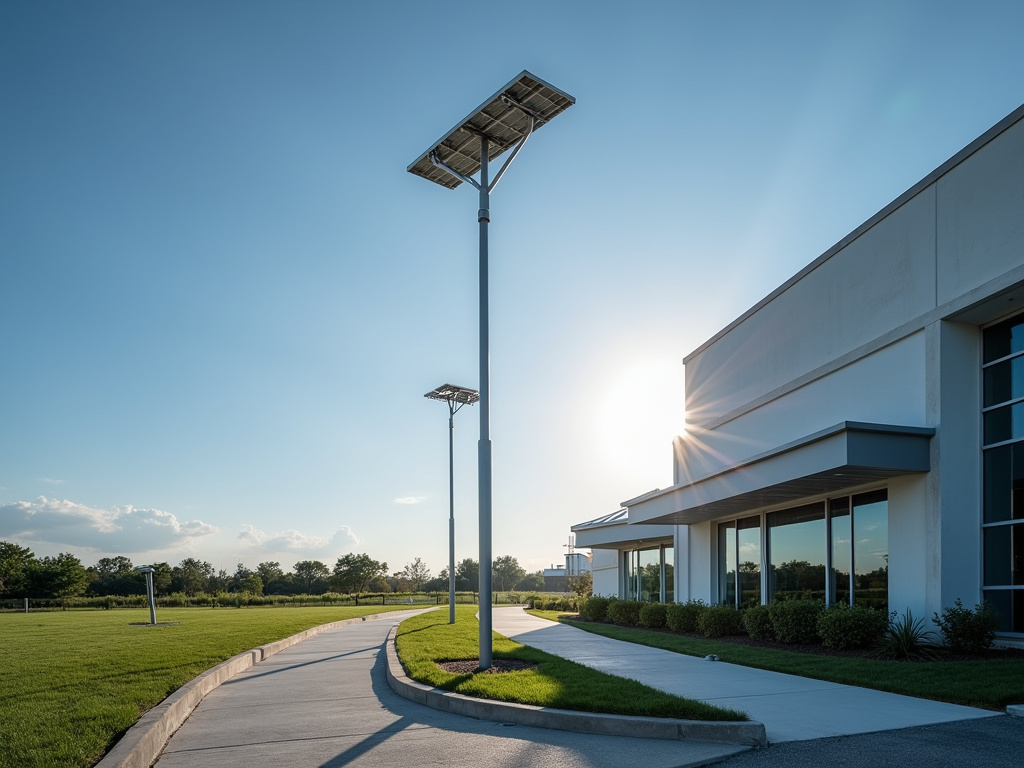
Solar Flag Pole Lighting in : Where to Start
Looking for solar flag pole lighting in ? solar flag pole lighting at Solar Path USA serves the local area and can answer questions specific to .
- Understanding The lighting: Principles and Benefits
- Choosing the Right System: Key Factors and Components
- Installation and Maintenance: Step-by-Step Guide and Tips
Understanding Solar Flag Pole Lighting: Principles and Benefits
The lighting, while a niche application, offers significant benefits for illuminating outdoor spaces in an environmentally friendly way. To understand its potential, we must first grasp the technology behind it. Unlike traditional lighting, solar flagpole lights use solar energy, converting it into electricity through photovoltaic (PV) panels. Top manufacturers like SunPower and LumenTech produce these panels, with efficiencies reaching up to 22%, ensuring best energy capture.
The principle at play is simple: during the day, the PV panels absorb sunlight, storing energy in a battery. This stored energy then powers the LED lights attached to the flagpole at night. This process not only reduces reliance on the grid but also cuts down on electricity bills. A 2022 study by Enphase Energy found that homes with solar flagpole lights saved an average of 30% on their energy costs. With the right setup, a single 1000-lumen light can illuminate up to 150 square feet—a good starting point for most residential properties.
Now, the question arises: do solar flagpole lights work? Absolutely. They’ve proven their mettle in countless installations. Many Eco-Friendly Installers have reported successful transformations of historic sites and community parks using solar flagpole lighting. However, the quality of the system matters. Cheaper options may not provide the same level of efficiency or durability. A DIY enthusiast might find success with a well-planned, high-quality system, but for the average homeowner, enlisting the help of a local hardware store or professional contractor is advisable. This ensures the system is correctly installed, maximizing energy capture and light output.
Regulatory support also plays an important role. The U.S. Energy Policy Act and various state-level Renewable Portfolio Standards (RPS) encourage the adoption of solar energy. Federal tax credits and local incentives can significantly offset the initial installation costs. Solar flagpole lighting is a practical, sustainable, and cost-effective solution, especially with the right setup and informed choices.
Choosing the Right System: Key Factors and Components
When selecting the lighting system, several critical factors come into play. First, consider the orientation of the flagpole in relation to your house. Traditionally, the American flag is displayed on the right side of a house, but local customs and regulations may vary. This placement ensures the flag is visible from the street, enhancing the aesthetic appeal of your property. However, if your flagpole is on the left, you’ll want to align the lights accordingly to maintain a balanced look.
The lifespan of solar-powered lights is a significant advantage. Quality systems from reputable manufacturers like SunPower and LumenTech can last 10-15 years or more, with proper care. Enphase Energy and Tesla Energy also offer advanced solar lighting solutions with durable components designed to withstand various weather conditions. Regular cleaning and minimal maintenance, such as checking and replacing batteries, will help ensure best performance.
Lumens, the unit of measurement for light intensity, are important to a successful installation. For a standard-sized flagpole, aim for 50-100 lumens per foot to achieve adequate illumination. This range ensures the flag is clearly visible during the evening and night hours, enhancing your home’s curb appeal and security. A 30-foot flagpole would require 1500-3000 lumens, making it suitable for bright display without excessive light pollution.
Before purchasing, consult with local installers or hardware stores to understand your area’s renewable energy policies and incentives. Many regions have Renewable Portfolio Standards (RPS) encouraging the adoption of solar power, along with Federal Tax Credits and local grants. These initiatives can significantly offset the initial investment in the lighting, making it a cost-effective and environmentally friendly choice. Ensure compliance with local planning regulations to avoid any legal issues or delays during installation.
Installation and Maintenance: Step-by-Step Guide and Tips
The lighting installation and maintenance require careful consideration, especially when aiming for best efficiency and longevity. The process involves several key steps, from selecting the right equipment to regular upkeep. A standard setup typically includes a solar panel, a charge controller, and a flagpole light. Before beginning, assess the flagpole’s height and the area to be illuminated; 1000 lumens of solar-powered light can effectively light up to 100 square feet, providing ample visibility.
Starting with the panel placement, mount it on a surface that receives direct sunlight for the majority of the day. Ensure the panel faces the sun and is angled appropriately for maximum exposure. Connect the panel to the charge controller, which regulates the power flow, preventing overcharging. From there, the controller powers the flagpole light, typically an LED unit known for its energy efficiency. When selecting lights, consider the lumen output; 50-100 lumens per light is common for flagpoles, but higher lumen ratings offer brighter illumination.
Regular maintenance is important to keep solar flagpole lights performing at their best. Periodically clean the panels to remove dust and debris, ensuring best sunlight absorption. Check connections for any loose or corroded parts, especially after severe weather. Most importantly, inspect the lights themselves, ensuring they function correctly and are free from damage. Enphase Energy and LumenTech, for example, offer advanced monitoring systems that allow users to track the performance and health of their solar lighting systems remotely. By following these steps and staying attuned to system performance, you can maximize the efficiency and lifespan of your solar flagpole lighting.
Frequently Asked Questions About Solar Flag Pole Lighting
What is the lighting, and how does it work?
The lighting usees the power of the sun through photovoltaic panels, charging a battery during the day. This stored energy powers LED lights at night, illuminating your flagpole without the need for electrical outlets or wires. This sustainable solution is a popular choice for outdoor lighting, offering a hassle-free, eco-friendly alternative.
How do I choose the right solar flag pole light for my needs?
Consider factors like pole height, lighting requirements, and the climate in your area. A taller pole may need a more powerful light. Check the lumen output, which measures brightness, and ensure it’s suitable for your space. Also, look for weather-resistant designs if you live in a harsher environment.
Can I install the lighting myself, or do I need a professional?
Most solar flag pole lights are designed for DIY installation. The process involves mounting the light on the pole, ensuring proper alignment with the sun, and testing the lighting. However, if you’re uncomfortable with heights or electrical work, consulting a professional electrician or handyman is recommended, especially for more complex setups.
What is the maintenance required for the lighting?
Regular cleaning of the photovoltaic panels is essential for best performance. Remove any dust, debris, or leaves that might block sunlight. Check the light’s settings and battery health periodically. Most modern solar lights have automatic settings for brightness and on/off times, reducing maintenance needs.
How long does the battery in a solar flag pole light typically last?
The battery life varies depending on factors like the light’s quality, usage, and environmental conditions. High-quality LED lights can offer battery life spanning several years. A top-tier model might last 5-7 years between replacements, ensuring consistent night-time illumination for your flagpole.
Are solar flag pole lights a cost-effective solution in the long run?
Absolutely. While the initial investment may be higher than traditional lighting, solar flag pole lights offer significant long-term savings. They eliminate utility bills and, with proper care, the replacement battery costs are minimal. Many users report a fast return on investment, especially in regions with consistent sunlight.
The lighting is a powerful, sustainable solution that combines renewable energy with efficient illumination. By understanding the key components, choosing the right system, and following a structured installation process, homeowners and businesses can use the sun’s energy to illuminate their outdoor spaces. This article has highlighted the significant benefits, from reducing carbon footprints to lowering energy costs, backed by reliable sources like SunPower, Enphase Energy, and Tesla Energy.
The process, as outlined, demonstrates that DIY enthusiasts can successfully install the lighting with the right tools and guidance, while professional installers can use their expertise to deliver high-quality, eco-friendly solutions. Local hardware stores and specialized contractors, such as those mentioned under “Installation and Maintenance,” play important roles in making these systems accessible and well-integrated.
the legal and regulatory framework, including the U.S. Energy Policy Act and Renewable Portfolio Standards, incentivizes the adoption of solar technologies, making it a timely and profitable investment. As LumenTech demonstrates, advancements in lighting technology further enhance the efficiency and longevity of these systems.
The lighting is a practical, efficient, and environmentally conscious choice. By following the insights provided, readers can take meaningful steps towards a greener future, enjoying the benefits of clean energy while enhancing their outdoor spaces.